How Do You Spot-Check Tasks Marked Done?
You go and look. A green board shows intentions, and the only real proof is the finished work, seen by someone whose job is to check it. Keep that check small and regular, count missing proof as a fail, and it changes habits without turning into surveillance or a weekly argument about trust.
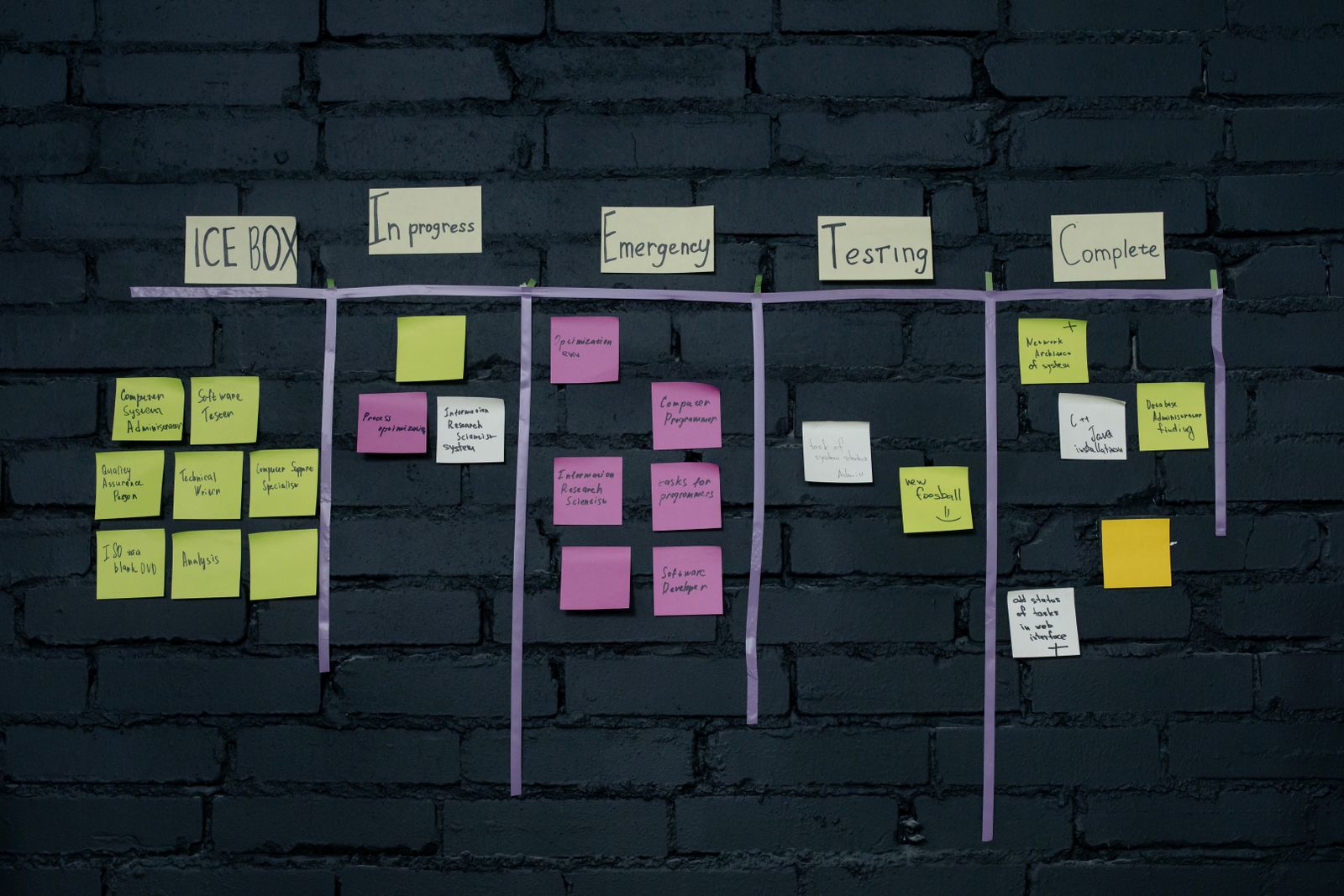
Friday at 3:15 p.m., a manager pulled five cards marked Done from the board and walked the shop. Truck 4 was supposed to be turned in 24 hours. The card said done at 11:40 a.m. The bay still had yesterday's parts on the floor, no photo in the folder, and the keys were on the wrong hook. That was item one. Item two, a "completed" customer callback, had a note that said "left voicemail" and no timestamp. Item three passed. Four and five failed on missing proof.
Three of five Done cards failed a ten-minute spot-check. The board had been green all week. The board showed what people meant to finish, not what was finished.
A task system without an audit layer records what people meant to finish. Trust is earned by a separate check against a measurable standard, not by the color of a column.
What was the "done" column hiding?
In that firm the board had 40 to 50 cards a week in the Done column. Failures sat unnoticed for weeks because nobody was paid to distrust the column. The owner only saw the mess when a customer called about a truck that was "ready" and was not, or when a warranty claim arrived with no photo trail. By then the card was two weeks cold and the argument was about memory. Memory is a terrible audit tool.
They set standards that could be checked without a debate. Truck turnaround in 24 hours, with a photo of the bay clear and keys on the labeled hook. Callbacks required a timestamp and a next step, not a vibe. Closings on the board required the proof uploaded before the card could move. The standards were boring on purpose. Simple standards still hold on busy Fridays. Complicated ones fall apart in the first busy week because nobody can remember the seven criteria.
For writing standards people can check at a glance, see how to set team standards without micromanaging.
The owner had resisted for months because an audit felt like he was calling his people liars. He was not. He was admitting the system rewarded marking Done more than being done. People respond to what gets them left alone. A green column left them alone.
Do reminder emails fix false Done cards?
Before the spot-checks, they tried a softer version: a weekly reminder email that said "please make sure Done means done." Nothing changed. Reminders do not create proof. In week two of soft reminders, Truck 4's false Done still shipped a customer a delay and a $220 taxi voucher the company paid to keep the account. That voucher is what finally funded the Friday pulls in the owner's head. Shame did not. Money did.
How do you spot-check work marked done?
The method is small on purpose.
- Define the standard in one line people can recite.
- Once a week, pull five completed items at random.
- Require proof.
- Track the pass rate.
- Aim for 90 percent.
- Escalate when you are under 80 for two weeks in a row.
Escalation means a conversation with the person who owns the seat, not a company-wide lecture about "raising the bar."
Manager walkthroughs beat dashboard theater. Standing in the bay with the card in your hand is different from reading a percentage in a meeting. Photo proof beats "I did it." If the proof is missing, it failed, even if the work somehow got done. That rule feels harsh the first month. It is how you stop arguing about whether someone "basically" finished.
What pass rate should you expect at first?
Month one in that shop, about 30 percent of Done items failed the spot-check. People were angry. A technician said the audit meant leadership did not trust the team. The manager's answer was dull and correct: we trust the standard, and we are measuring it because the board lied for six months. By month three the pass rate sat around 88 percent most weeks. Not a trophy. Better than 70. They still have weeks that dip when a new hire joins the rotation, which is expected if you are honest about training time.
One messy complication: the random pull kept hitting the same two people for three weeks, pure chance, and it looked like targeting. They switched to a simple rotation plus one truly random card so the sample stayed honest and the politics cooled. Pass rate math got slightly noisier. Trust in the process got better. That trade was worth it.
They also timed the Friday pull. Ten minutes was a myth at first. Week one took 35 minutes because nobody knew where photos lived. Week four settled near 12 minutes once the folder path was on the card template. If your audit takes an hour, the proof path is broken, not your diligence. Fix the path. Keep the pull small enough that it actually happens on busy Fridays.
What happens when you audit everything?
For two weeks they audited everything that moved. Twelve categories. Staff started gaming the photos, uploading old images, and avoiding cards that were hard to prove. Pass rates looked prettier. Real turnaround got worse by almost half a day on average. They cut back to the two standards that mattered for customers and cash: truck turnaround and callback proof. The gaming dropped. The numbers got uglier for a fortnight, then useful again.
Do not audit everything. That is micromanaging with a clipboard. Pick the few standards where failure hurts a customer or the bank account. Skip new hires in week one of a seat; audit the trainer's handoff instead. And if you cannot name a measurable standard, you do not have an audit problem yet. You have a definition problem. Write the standard before you start pulling cards.
Another miss: auditing only the shop while the office Done column stayed sacred. Callbacks and invoice sends failed silently for another month. They added one office standard in month two (callback timestamp plus next step) and left everything else alone. Two standards in the shop, one in the office. Enough to change behavior without turning the company into an inspection state.
The owner still walks the bay some Fridays even though the manager owns the pull. He does not override fails. He asks one question: "what would have made this proof automatic?" That question has produced two checklist edits and one cheap camera mount. It has not produced a speech. Talks about standards do not raise pass rates. Making the proof path automatic does.
He is not proud of how long he waited to distrust the green column. He is glad the taxi voucher was only $220.
Can a spot-check pass bad proof?
One Friday the random pull included a Done card for a warranty photo set. The photos were there. The timestamps were right. The claim still got rejected two weeks later because the angle missed the serial plate. The audit had passed a useless proof. They added "serial plate readable" to the standard the next Monday. The pass rate dipped again. He keeps that rejected claim in a folder labeled "done but not done," which is an ugly phrase and an accurate one.
The board is greener than it was. It is not honest by itself. Honesty lives in the weekly pull, the walkthrough, and the willingness to fail a card that looks finished. Some weeks the pass rate is still 82 and nobody throws a party. They fix the two failures and pull again next Friday.
They also learned to publish the weekly pass rate on a whiteboard in the bay, no names, just the percentage and the two failure themes. Transparency beat private shame. The first public 70 percent week was ugly to look at. The third public 86 percent week got a shrug, which is the correct emotional volume for an operating metric. When the number is a secret, people invent motives. When it is on the wall, it is just another operating number.
A pass rate on the wall works best next to a few other honest numbers, like the ones in five numbers that show the business can run without you.
One technician who had failed two photo proofs in a month asked to write the photo checklist himself. His version was clearer than the manager's. Failures on his shift dropped to zero for six weeks, then one crept back when a camera died mid-job and he marked Done without a backup phone shot. He failed himself in the next pull and replaced the camera the same day. That is what an audit layer is for: not catching villains, catching broken paths before a customer does.
Frequently asked questions
Who should run the spot-check?
Someone who manages the work but didn't complete the cards being pulled, usually a manager or lead. When the owner runs it alone, it reads as suspicion and stops whenever the owner gets busy. Bring in a second checker now and then so the standard doesn't drift toward one person's taste.
What counts as proof for office work?
Something another person can see without asking, such as a sent timestamp with the next step logged beside it. Decide the proof when you write the standard, and note where it lives on the task template, so checking takes seconds instead of turning into a search through inboxes.
Should failed checks affect pay or reviews?
Keep single fails out of pay and use them to fix the path. A pattern is different: if one person's pass rate stays low after the path is fixed and they've been trained, it belongs in their regular review like any other outcome. Tying each fail to money mostly teaches people to game the proof.
How many of your Done cards would pass?
If you want help installing an audit layer on the few standards that matter, start here: systemstoscalegroup.com/getstarted